


TAVI Specialist in Mumbai
At Heart & Vascular superspeciality hospital, our team of TAVI specialists in Mumbai offer the most advanced care for patients with severe aortic stenosis. Our cardiac team of expert cardiologists, cardiac surgeons and interventional cardiologists carry decades of experience and international fellowships, with an extremely vast exposure to complex case profiles.
At HVS, we have state-of-the-art cath labs, hybrid operating theaters, and the absolute latest technology in imaging systems to ensure the best outcomes — every TAVI procedure is conducted with the highest degree of safety with the use of the latest transcatheter systems. Our team handles a very high-volume of high-risk cardiac patients, who aren’t suited for traditional open-heart surgery. Every aspect of our process — from diagnosis to patient counselling to post-procedure care and cardiac rehab — is informed by our team’s extensive experience, and focused on comfort and life quality for our patients.
Leading Team of TAVI Specialists in Mumbai at HVS Hospitals
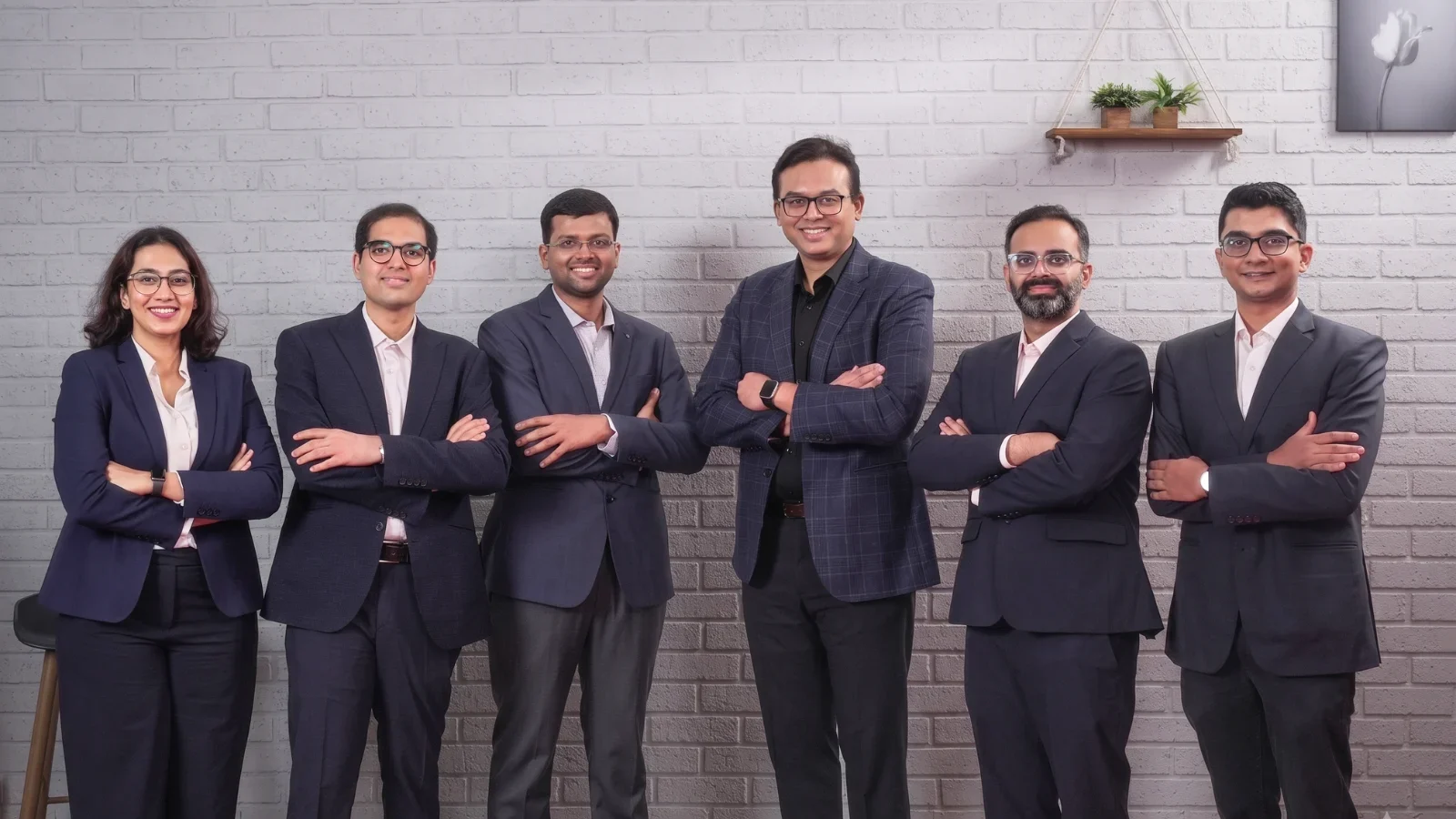
- Our team of TAVI specialists is led by Dr. Ankur Phatarpekar, Director of Cardiac Services at HVS Hospitals.
- In 2022 alone, Dr. Ankur performed over 75+ successful TAVI procedures, placing him in rarified air for yearly volume.
- With over 15 years of experience, Dr. Ankur Phatarpekar has performed hundreds of TAVI procedures, including pioneering ones like subclavian access, double valve interventions and the first Evolut pro/Hydra procedures in Western India.
- He’s a specialist in complex/high-risk TAVI procedures, valve-in-valve implantations, and paravalvular leak closures. Dr. Ankur also extensively teaches TAVI procedures both nationally and internationally, training peers on global platforms like Edwards and Evolut.
- He’s worked as a co-investigator in structural trials and published over 30 papers on platforms like the European Heart Journal. He has delivered papers at the European Society for Cardiology and Society for Cardiovascular Angiography and Interventions.
- Dr. Ankur completed his DM (cardiology) at the Seth G.S. Medical College & KEM hospital, Mumbai. He also served as an assistant professor there, teaching interventions.
Certified Myval TAVR Proctors
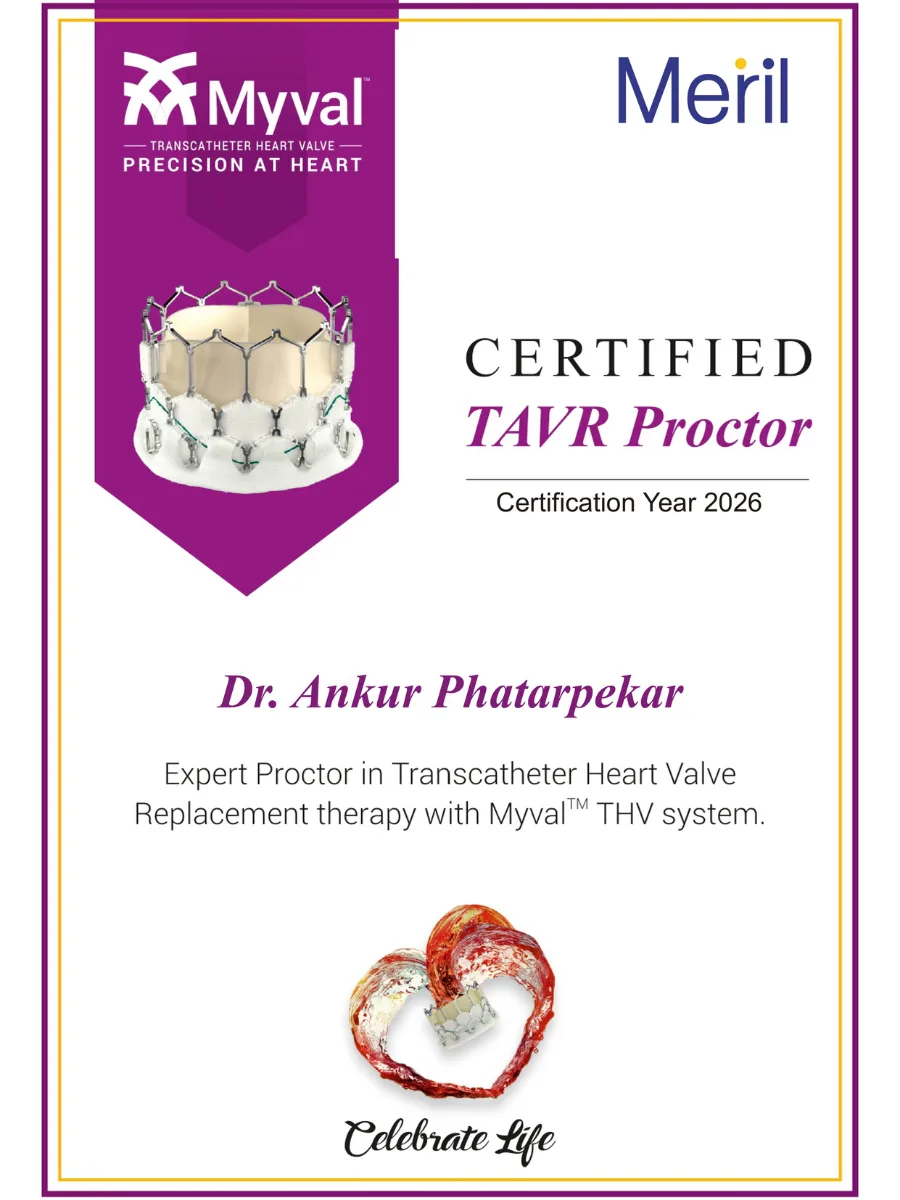
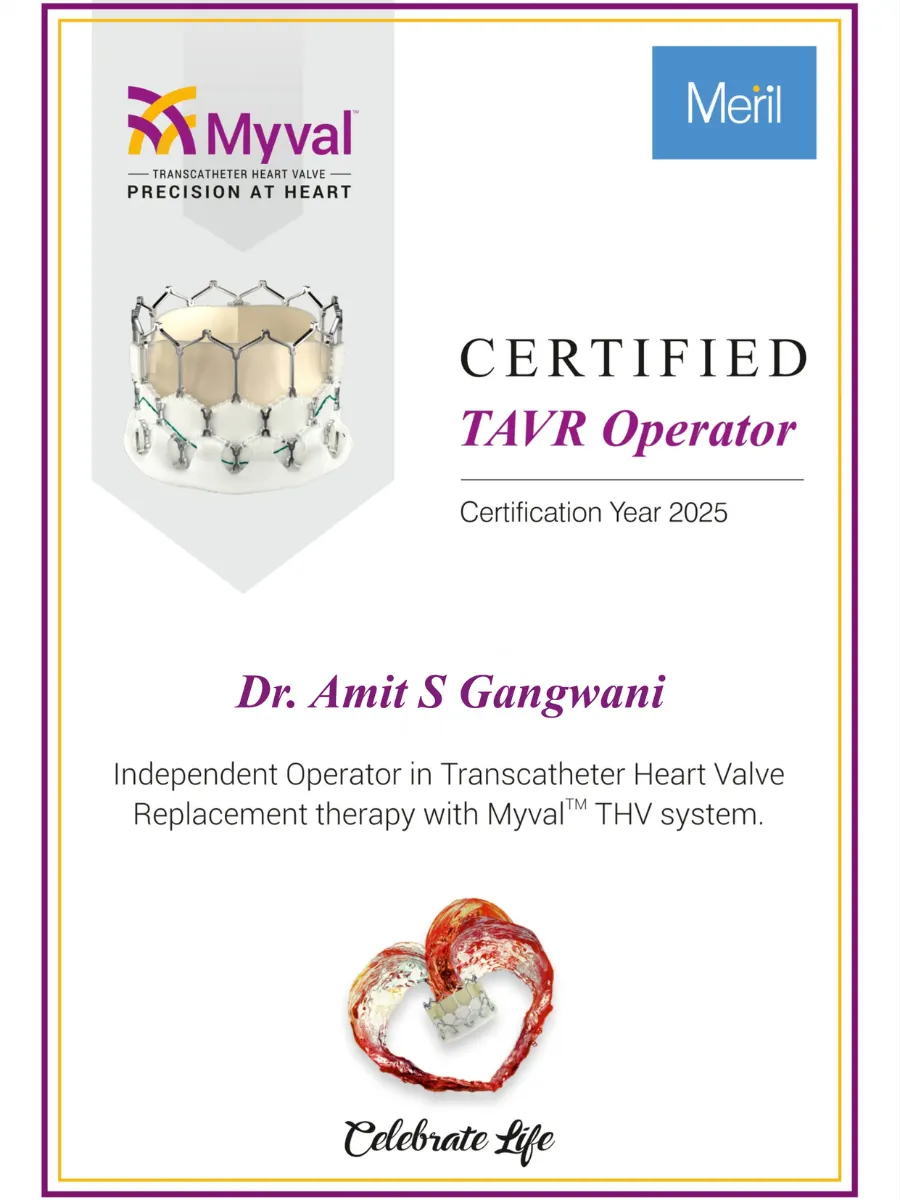
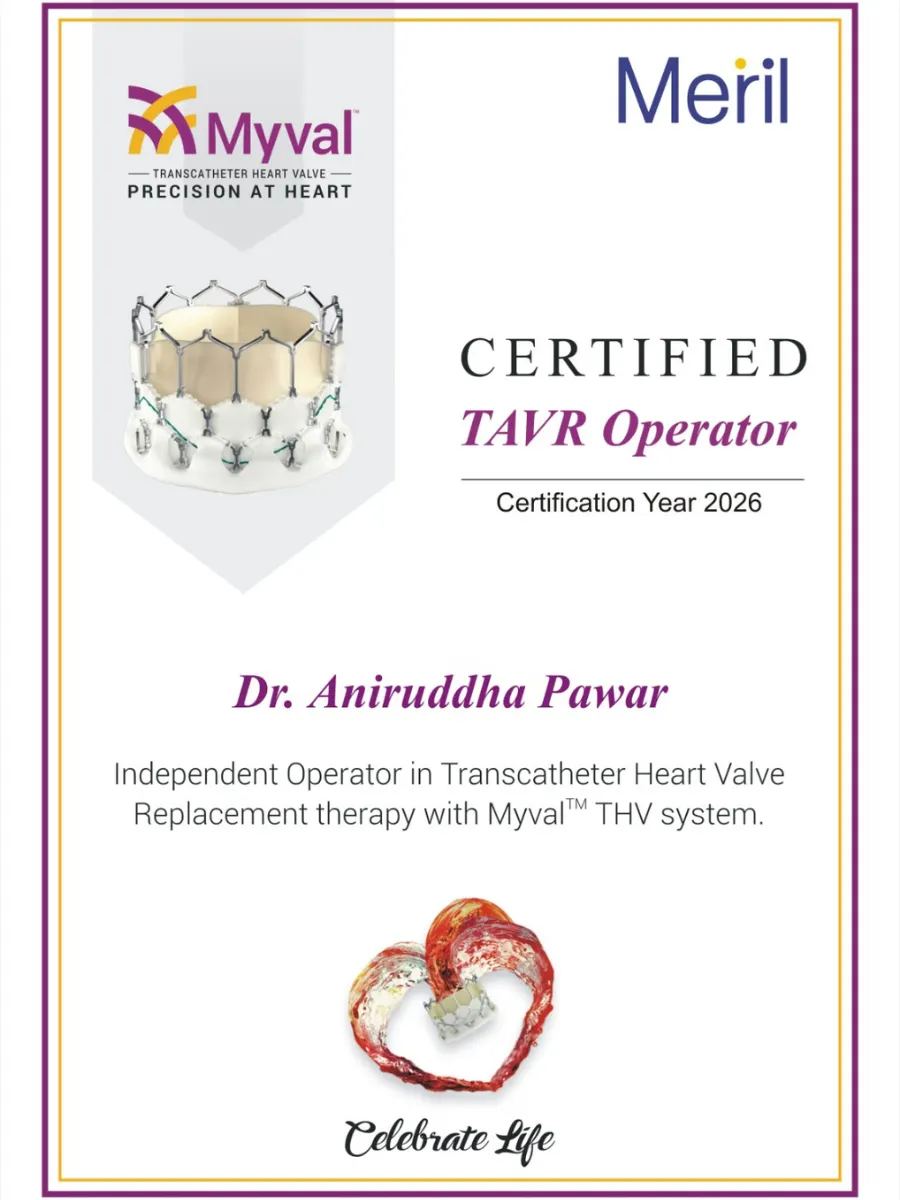
Our interventional cardiologists — Dr. Ankur Phatarpekar, Dr. Amit Gangwani, Dr. Aniruddha Pawar and Dr. Harshad Sagar — are certified TAVR proctors for the Myval transcatheter heart valve system by Meril Life Sciences. As proctors, they train and supervise other cardiologists performing the procedure.

Our Heart Specialists
At HVS Hospitals in Mumbai, our cardiology team includes experienced TAVI specialists skilled in managing complex valve disorders through advanced, minimally invasive treatments.
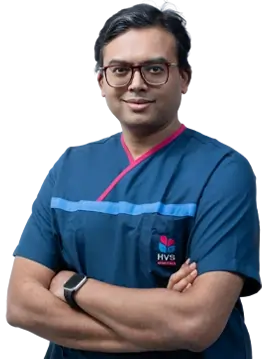
Dr. Ankur Phatarpekar
Structural & Interventional Cardiologist
MD, DM (Cardiology), FSCAI
Location - Dadar
View profile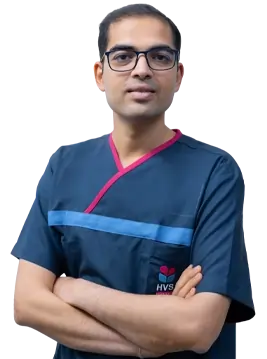
Dr. Meghav Shah
Structural & Interventional Cardiologist
MD, DM, DNB (Cardiology), FSCAI
Location - Ghatkopar
View profile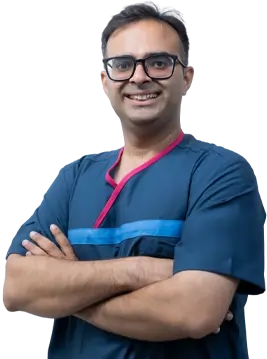
Dr. Amit S. Gangwani
Cardiologist & Structural Heart Specialist
MBBS, DNB (Medicine), DrNB (Cardiology)
Location - Borivali
View profile
Dr. Aniruddha M. Pawar
Consultant Interventional Cardiologist
MD (Internal Medicine), DM (Cardiology), FSCAI
Location - Thane
View profile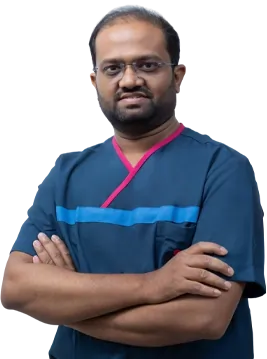
Dr. Harshad Sagar
Consultant Interventional Cardiologist
MBBS, DNB (General Medicine), DrNB (Cardiology)
Location - Dadar
View profile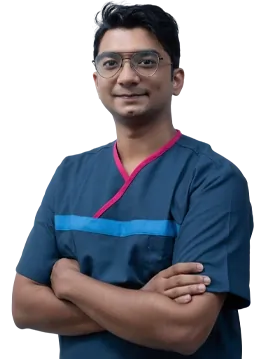
Dr. Kunal Patankar
Interventional Cardiologist
MBBS, MD (Medicine), DrNB (Cardiology)
Location - Dadar
View profileWhen Do You Need a TAVI Procedure?
You would need a TAVI procedure if you have severe symptomatic aortic stenosis that’s drastically limiting your daily life, where your heart team believes that risks of open heart aortic valve surgery outweigh the benefits. Severe Aortic Stenosis (AS) occurs when the aortic valve, the main entrance to the heart, becomes narrowed by thickening and the formation of calcium, making it difficult for blood to flow out of the heart and into your body. You could be experiencing difficulty breathing while doing simple things like walking, chest pain or discomfort (angina), unusual fatigue, dizziness, fainting spells, or a rapid or irregular heartbeat (palpitations).
Key triggers:
A severe aortic stenosis is characterized by a reduction in valve opening size (area less than 1 cm² and gradient more than 40 mmHg on echo). This leads to classic symptoms like breathlessness on exertion, chest pain, blackouts, and potential heart failure. TAVI should be considered if symptoms persist despite medication and if you are symptomatic (NYHA class II-IV).
Risk-based decision-making:
As mentioned earlier, TAVI is considered if you aren’t eligible for a traditional open-heart surgery — usually the first line of intervention, in severe aortic stenosis. Personalised risk profiling is done using stratification tools like STS or EUROscore, which factor in patient history, genetic data and comorbidities to provide a potential risk score and insight into peri-operative and post-operative outcomes:
- High/Prohibitive risk: Frail, elderly patients (>75-80 years), STS risk > 8%, previous thoracic surgery, pulmonary or renal disease, or ‘porcelain aorta’ (very highly calcified and hardened aorta, which could ‘crack’ upon operation). TAVI is the first choice in such patient profiles.
- Intermediate Risk: STS risk of 4-8%. Shared decision-making. Here, it often comes down to what the entire team agrees upon and a careful evaluation of post-surgical/procedural benefits to the patient.
- Low Risk: STS risk <4% risk. Now approved per trials, especially with favorable anatomy for transfemoral approach. Surgery can be avoided, thus improving recovery time and reducing infection risk.
Evaluation process:
Tests confirm: Echo/CT for valve size/anatomy, frailty scores, and life expectancy >1 year. In India, earlier onset (age 60-70) from degeneration/bicuspid valves prompts TAVI in ~2.5 lakh eligible patients, often with diabetes/comorbidities raising surgical risks.
Why opt for a TAVI procedure in Mumbai:
When deciding on a city to have a procedure, the most crucial factor is the volume of cases and expertise within that city. Mumbai deals with an extremely large number of AS cases and TAVI procedures are conducted on very complex cases regularly. As a city, the procedure volume and variation is extremely high.
Due to the number of world-class super speciality hospitals and expert cardiac teams, success rates are very high — comparable to global standards, by every benchmark. Most leading hospitals perform hundreds of TAVIs each year, with the latest technology like Philips Aurizon cath labs and hybrid ORs. Additionally, Mumbai has a high usage of indigenous valves (for E.g., MyVal) which are better suited to Indian coronary anatomy.
Cost of a TAVI procedure in Mumbai:
TAVI procedures in Indian hospitals cost anywhere between ₹ 15 - 36 lakh varying by valve type (Indian or imported), hospital, ICU stay duration and type of ward.
Key factors affecting price:
- Valve type: Procedures with Indian valves like MyVal cost between ₹ 12-20 lakh; the use of imported valves (for E.g., Sapien) adds approximately ₹10 lakh to the overall cost.
- Surgical approach: The standard approach for catheterization is transfemoral. When the femoral arteries are too small, calcified, tortuous or diseased (seen in 5-15% of cases), other approaches are used. These raise costs by 10-20% due to surgical expertise required and general anesthesia needs.
- Cath lab type: High-end cath labs like the Azurion 7 M12 are used to provide precise imaging for TAVI procedures, helping to reduce procedural time/risk using 3D fusion and low radiation. While this doesn’t impact cost on a case-by-case basis, it does affect the hospital baseline, as it allows for high-volume surgical expertise.
Why Mumbai shines for advanced heart procedures like TAVI:
Mumbai has a long history of firsts, in the cardiovascular space. If you’re facing a complex issue like aortic stenosis, Mumbai is an incredible choice for treatment. It has the highest per-hospital volume of TAVI procedures in the country. This means, any of the top cardiac institutes average more procedures per year than those in many parts of the country.
Mumbai’s hospitals also have a strong minimally invasive focus. This shows in national surveys, which clearly indicate that Mumbai shines in patient recovery speed and shorter hospital stay durations. The average hospital stay, as per reports from hospitals, is 3-5 days. This suits frail and elderly patients, in particular.
Mumbai also leads with tech adoption — in particular Philips Azurion cath labs featuring ceiling mounted, large 20-inch detectors for superior 3D/4D imaging and low radiation. This tech minimizes leaks or malpositioning, thereby driving faster recovery times.
Hybrid ORs with 3D echo are standard in Mumbai, which make non-femoral access far easier. In particular Mumbai excels in its density of integrated hybrid cath labs — enabling seamless switching from procedures like TAVI to open surgery in one room — reducing patient transfers, OR time and risks. For urgent and escalating cases, this is a key advantage.
Areas in Mumbai we serve:
HVS superspeciality hospitals offer TAVI procedures at four different branches — Dadar, Ghatkopar and Thane,. Our Ghatkopar and Thane centers are highly-accessible centers in patient-dense areas, emphasizing the pragmatic aspect of minimally invasive care closer to home.
How to select a hospital and doctor for your TAVI procedure:
- Choosing a hospital and doctor for your TAVI procedure involves weighing a few core factors — expertise, technology, volume and outcome, and logistics.
- Most importantly, prioritize higher volume TAVI centers (>50 TAVIs/year), for better outcomes.
- For doctors, check the lifetime procedure volume (>100 TAVIs), reviews and outcome, familiarity with complex cases and whether they train other doctors.
Hospitals — Checklist
| Factor | What to Check |
|---|---|
| Volume/Experience | >100 TAVIs; heart team credentials and fellowships |
| Technology | Azurion cath labs, hybrid ORs |
| Accreditation | NABH/JCI |
| Cost | ₹15-36 lakhs, insurance coverage, valve type, etc. |
| Location/Access | Parking, family stay, ward type |
Doctors — Checklist
| Factor | What to Check |
|---|---|
| TAVI Cases | Lifetime volume > 100 TAVI cases |
| Proctor/Faculty | Trains others |
| Reviews/Outcomes | 95%+ success, short stays, complex patient profiles |
| Multidisciplinary | Works with cardiac surgeons |

