

Liver Cirrhosis
 Home
Home- Liver Cirrhosis

Cirrhosis of the liver is advanced scarring of the liver, from chronic damage. It is usually irreversible, but can be managed if diagnosed at an early stage — for which preventive check ups are crucial.
Think of it like healing from a deep wound, with tough, inflexible tissue instead of soft, healthy skin. The main culprit in India is heavy alcohol abuse. Other factors include chronic hepatitis B or C viruses (spread via blood, needles, or mother-to-child), fatty liver from obesity/diabetes, or rare autoimmune conditions. While the scarring cannot be reversed, early diagnosis can halt progression and easy symptoms like fatigue, jaundice or belly swelling.
In India, liver cirrhosis cases are rising due to the affiliated factors — rising alcohol consumption, rising obesity and viral hepatitis. These factors affect millions, and cause many preventable deaths — India accounts for 18% of global liver disease deaths. A meaningful rehab program, exercise for weight loss, a liver-friendly diet (low salt/fat and high protein) can work wonders in this context.
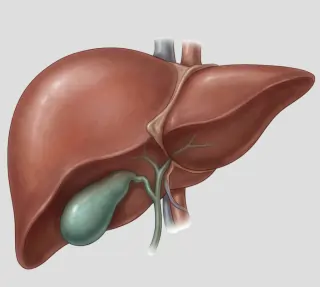
Liver Cirrhosis Causes
Consider your liver to be a hardworking filter that cleans your blood. After continuous exposure to injury, normal healthy tissues get transformed into scar tissue — this is cirrhosis. Here's a breakdown of the main causes:
Tier 1: Most common culprits (80% of Cases)
Excessive intake of alcohol for prolonged periods: Drinking too much for 10+ years poisons the liver cells — alcohol consumption is the top cause globally and in India. Even heavy ‘social’ drinking adds up over time. Quitting early or drastically dropping intake can help.
Infection by hepatitis B virus or hepatitis C: An infection by these viruses through contaminated blood, needles, unsanitary tattooing, or mother-to-child. Hepatitis B is responsible for many cases of cirrhosis in India, especially in the Eastern and Northeastern parts.
Metabolic associated fatty liver diseases (MASLD/MASH): Buildup of fat due to obesity and poor dietary choices, or diabetes. Increasing rapidly in India because of modern urban lifestyles — corporate desk jobs demanding long hours, the absence of exercise and walking friendly cities, and overall cultural tendencies favouring lethargy. Metabolic reasons now rival alcohol as a major cause.
Tier 2: Rare but severe
Autoimmune conditions: The body fights its own liver (autoimmune hepatitis).
Genetic problems: Iron accumulation (hemochromatosis) or copper excess (Wilson's disease).
Obstructed bile ducts: Due to gallstones or inflammation (primary biliary cholangitis).
Simple preventive blood checks can spot early signs of liver cirrhosis — it’s crucial to not be complacent about preventive care!
Risk Factors for Liver Cirrhosis
Your liver faces daily threats, but some habits and health issues stack the odds against it, turning minor damage into cirrhosis over time. Here's a look at the risks:
Tier 1: Top daily habits (most controllable)
Chronic alcohol abuse: More than 10 years of heavy alcohol consumption (even 30-60 grams per day for men and less for women) damages liver cells irreparably. In India, alcohol abuse is the primary risk factor (accounting for 35-44% of cases), influenced by urban lifestyle pressures and social norms (those friends who say ‘just one drink, man’). Again, corporate culture which places a huge emphasis on recreational drinking as a means of networking and post-work socializing, is turning into a massive culprit.
Unhealthy dietary patterns and lack of physical activity: An unhealthy diet rich in high-calorie food and insufficient-to-entirely absent physical activity contribute to fatty liver diseases, with more than 40 percent of Indians having Non-Alcoholic Fatty Liver Disease (NAFLD). Unfortunately, this couples with cultural rigidity to create a dangerous lifestyle loop.
Tier 2: Metabolic Conditions (Lifestyle-Linked)
Obesity & belly fat: Extra weight clogs the liver with fat; 38.9% Indian adults are affected by this, per 2026 Lancet data. This is partly the infamous skinny fat phenotype which leads to higher percentages of visceral fat, especially among Indians from the plain sides.
Type 2 Diabetes/Insulin resistance: Excessive sugar consumption leads to cell injury, causing 8-9 % fibrosis risk among obese individuals with type 2 diabetes.
High cholesterol/hypertension: Part of metabolic syndrome, common in Indian cities.
Tier 3: Infections & Genetics (Less Controllable)
Hepatitis B/C: Spread by blood and needles; Hep B virus is high in East/Northeast India (33-47% chronic cases).
Age (over 50), male gender, family history, smoking — all of these hasten progression.
Catching some of these risks early, and getting vaccinated for Hep B helps. That aside, the obvious applies — reducing/quitting alcohol intake and modifying your physical and eating patterns to lose weight. Even 5% weight loss can be significantly helpful.
Diagnosis for Cirrhosis of the Liver
Diagnosis for liver cirrhosis starts simple and hopefully early, and then builds step-by-step.
Step 1: History and physical exam (first visit)
Doctors probe for alcohol consumption, medical family history, diabetes mellitus, or general weakness/yellowing skin (jaundice). They check for yellow skin/eyes, belly swelling, or spider veins on the skin — these are easy signs of liver stress.
Step 2: Blood tests (non-invasive screening)
Blood samples test liver enzymes (ALT/AST levels), bilirubin, protein, and platelet count. Enzyme elevations indicate liver injury, whereas low platelet counts suggest liver scarring. Tests also screen for hepatitis B/C or fatty liver risks—quick results guide next moves.
Step 3: Imaging Scans (visual confirmation)
Ultrasound: First-line, shows fatty/enlarged liver or nodules (common in India for NAFLD screening).
FibroScan/Elastography: Non-invasive wave study quantifies stiffness (scar tissue density)—as accurate as ultrasound but more intelligent about fibrosis.
CT/MRI: Advanced imaging studies in case of need, detects complications such as tumor development.
Step 4: Biopsy (if uncertain)
In rare cases, a fine needle biopsy takes a small liver sample for microscopic analysis—verifies cause/severity. Carried out safely under local anesthesia.
All-in-all, a comprehensive blood panel can offer a very valuable head start. In India, these tests rarely cost more than ₹5000.
Liver Cirrhosis Symptoms
Compensated Phase (Early, Occurs without Symptoms): The liver starts to compensate, though some hints arise:
- Always feeling tired and weak as if exhausted.
- Poor food intake, vomiting, or unexpected weight loss.
- A mild itching sensation in the upper abdomen area.
Decompensated stage (progressing damage): Scarring disrupts function—symptoms intensify:
- Jaundice: Yellow skin/eyes from bilirubin buildup.
- Swelling: Fluid in belly (ascites) or legs/ankles (edema).
- Easy bruising/bleeding; spider-like blood vessels on skin or red palms.
Advanced phase (problems due to toxins): Toxicity increases; require urgent medical attention:
- Hepatic Encephalopathy: Confusion, sleep reversal, or hand tremors.
- Persistent itching, muscle spasms, or upper abdominal pain.
- Bloody vomit or dark-colored stools due to varices.
In India, 30-50% have late stage with ascites/jaundice as per statistics earlier. Monitor tiredness or swelling; blood tests can detect early enough. It’s crucial to be a bit ‘suspicious’ and see a doctor before the yellow eyes stage arrives!
Liver Cirrhosis Treatment
Liver cirrhosis treatment focuses on stopping damage, easing symptoms, and preventing complications — there is no ‘full cure’, but early action works wonders. In India, where alcohol and NAFLD drive 70%+ cases, outcomes improve with timely care (5-year survival 80-90% if caught early).
Stage 1: Target the cause (foundational intervention – reversible if early)
Quit alcohol completely (this is absolutely the top fix — the liver heals in months). Antivirals cure 95% hepatitis C; vaccines prevent B. For NAFLD, losing 7-10% weight via diet/exercise should be an ideal target, however even 4-5% (about 3.6 kgs, in a person who weighs 90 kgs). Indian studies show 50% fibrosis reversal in 6-12 months with lifestyle shifts.
Stage 2: Lifestyle & nutrition (daily management - boosts energy)
Reduced salt intake (less than 2 g/day), protein-rich (dal, paneer, fish), and small frequent meals. Fried food and oily dishes to be avoided. Vitamin E supplements aid NAFLD. For many patients, this is the key phase — it challenges cultural habits and long-standing ‘comfort’ patterns.
Stage 3: Drugs for symptom management (management of complications)
Diuretics are used to manage edema (furosemide and spironolactone); beta-blockers prevent bleeding in esophageal varices; laxatives relieve confusion (encephalopathy). Lactulose is common in India — it reduces hospital visits by 40%.
Stage 4: Procedures for advanced cases (life-saving interventions)
TIPS (Transjugular Intrahepatic Portosystemic Shunt) reduces portal hypertension — this is the pressure of flow in the ‘portal vein’, which carries nutrient-rich blood from the intestines to the liver. Paracentesis removes ascitic fluid — protein-poor fluid that leaks into the belly causing painful bloating and even breathlessness. Screen for HCC (Hepatocellular Carcinoma—liver cancer) every 6 months using ultrasound/AFP.
Stage 5: Transplantation (last resort with high success rates)
This is relevant to end-stage disease, when all other options have failed. A transplanted liver can rejuvenate function (90% 1 year survival rate in India). Across top Indian hospitals, waitlists are short and the practice is common with living donors.
Benefits of Liver Cirrhosis Treatment
Slows and sometimes reverses damage:
Early action targets root causes: quitting alcohol or taking antivirals for hepatitis can shrink fibrosis by 30-50% in the first year, per 2025 studies on MASH (fatty liver). Liver function bounces back — less fatigue, clearer thinking — as enzymes normalize and scarring softens.
Improves quality of life:
Think about ending sleeplessness, stomach bloating, or itching. Preventive/early-line treatments focus on restoring energy levels and a healthy relationship with food, so these symptoms don’t degrade day-to-day life. The changes show up via increased energy levels to spend time with family, exercise, work or cognitive tasks. Dietary changes and medications reduce flare-ups by 60%, allowing one to eat without feeling nauseous or anxious.
Reduces advanced complications:
Early management avoids major problems: beta-blockers prevent variceal bleeding (40% reduced risk), diuretics manage swelling, and vaccinations protect against infections. Less frequent hospital visits translate to more stability.
Extends survival:
Compensated cirrhosis (early stage) has a 90% 5-year survival rate with treatment vs. 50% untreated. Even advanced cases gain years via shunts or transplant prep
Recovery and Rehab
Recovery for liver cirrhosis tends to revolve around consistent habits that can compound the benefits of treatment, as opposed to the traditional idea of 'rehab', which is a physical 'back-to-baseline' program, meant to bring function back near original levels.
Lifestyle basics:
Stop drinking alcohol altogether; your liver will repair itself within weeks. For those struggling with long-term alcoholism, it’s incredibly important to seek out a structured rehab program, combined with a social component (like Alcoholics Anonymous). A liver-friendly diet and eating pattern is very helpful: smaller portions, more frequently, with foods high in protein (lentils, fish, cheese), high in fibers (spinach, pumpkin), and low sodium intake (<2 grams/day) to reduce bloating. This will reduce exhaustion levels by 50% in 1-3 months.
Exercise and muscle regeneration (key for Sarcopenia):
Cirrhosis steals muscle (sarcopenia), causing overall body weakness. In this case — as with most conditions — muscle is medicine. Supervised physio, followed by long-term resistance training helps the body recover from this muscular loss, and build more on top.
- Aerobic: 20-30 min walks or cycling 3-5 times a week — promotes cardiovascular wellness and burns fat.
- Resistance training: Work the endurance phase, first. Lighter weights and more repetitions (10-12 repetitions) and progressively increase weights, with caution and attention to feelings like fatigue, pain, or any other sensations. Twice a week, for starters.
- It’s crucial to stay hydrated during training. Even advanced patients gain 10-20% strength within weeks!
Monitoring and support (sustain gains):
FibroScan monitoring regularly measures decreasing stiffness. In India, where delayed diagnosis is frequent, this results in two to three years of increased survival.
Compounding takes place through metabolic reprogramming, whereby early compliance magnifies benefits in liver enzyme levels month after month, improving day-to-day performance without necessarily reversing everything.
Multiple support groups on social media offer a platform to share gains, and understand other patient journeys — this is often crucial in the ‘sustenance’ part of rehab. Without this aspect, patients can lapse into old patterns of eating, drinking and activity, thereby increasing risk again.
Complications if Liver Cirrhosis Left Untreated
Post-diagnosis, skipping treatment — even if at the lifestyle level — causes complications to snowball into far more serious issues:
Stage 1: Portal Hypertension
The first real complication arises from ‘portal vein’ hypertension. The extra pressure causes ascites (belly-fluid buildup, 50-60% of global cases within 2 years) and variceal bleeding (bursting of swollen veins). In India, ascites hits 49% of patients within three years.
Stage 2: Mid-stage complications
As liver cirrhosis worsens, toxin buildup intensifies leading to hepatic encephalopathy — typical symptoms are confusion, ‘brain fog’ and sleep issues). These aren’t to be treated as ‘just’ fatigue. 30-40% of untreated cases present with encephalopathy. Infections surge from weakened immunity, and malnutrition due to a lowered liver function leads to muscle degeneration. Globally, this stage — decompensation — compounds the risk of death by 10 times.
Stage 3: End stage complications
Kidney failure (hepatorenal syndrome), full liver failure, and HCC (liver cancer, 2-5% yearly risk).
Due to late diagnosis and other risk patterns, India accounts for 18% of the global liver cirrhosis death tolls. Early diagnosis, meds and lifestyle modifications, and consistent monitoring slash these odds dramatically.

